Last updated: 27 November 2026. This page is refreshed weekly with Meta AI news, Meta AI video news and Meta AI glasses news, with dates and sources for every figure.
Meta AI news in November 2026 is dominated by one deal and its fallout. Meta announced the acquisition of Manus AI, a Singapore-based agent startup, for more than $2 billion in late December 2025, and in 2026 Chinese regulators ordered the deal unwound. Around that story sit a video feed, smart glasses, advertising tools and a spending bill that keeps growing. This page rounds up the month’s Meta AI news in one place.
For the wider company picture, see our AI company news hub. For Google’s competing AI work, see our Google AI news page. For Meta’s AI products rather than its news, see our Meta AI tools guide.
Meta buys Manus, then China orders the deal unwound
Meta announced in late December 2025 that it is acquiring Manus AI, a Singapore-based startup known for its general-purpose AI agents, in a deal valued at more than $2 billion. Manus launched its first general-purpose AI agent in March 2025, and the product can execute complex tasks such as market research, coding and data analysis with little prompting. Meta said Manus was already serving millions of users and businesses worldwide, and that it plans to scale the service, with Manus delivering general-purpose agents across consumer and business products, including Meta AI. The company said it would keep Manus running independently while weaving its agent technology into Meta AI across Facebook, Instagram and WhatsApp.
The deal was reported to be worth around $2 billion after Manus raced from launch to millions of paying users and more than $100 million in annual recurring revenue. Meta declined to disclose financial details, but the Wall Street Journal reported that Meta closed the deal at more than $2 billion. Manus was founded in China before moving to Singapore, and some of its early backers reportedly included China’s Tencent Holdings, ZhenFund and HSG. A Meta spokesperson confirmed that there would be no continuing Chinese ownership interests in Manus AI following the transaction, and that the platform would discontinue its services and operations in China.
Then the deal ran into Beijing. In January 2026, China’s Ministry of Commerce said it would assess and investigate how the acquisition complied with laws on export controls, technology import and export, and overseas investment. A Meta spokesperson said the transaction complied fully with applicable law and that Meta anticipated an appropriate resolution. On 27 April 2026, China’s National Development and Reform Commission prohibited the foreign acquisition and required the parties to revoke the transaction. The NDRC said the decision was made in accordance with laws and regulations and asked the parties to withdraw the acquisition transaction.
Meta separated from Manus operationally in June 2026, halting data sharing and restricting Manus’s access to Meta’s internal systems, and on 1 September 2026 Manus formally resumed independent operations under its founding team. On 8 October 2026 its parent, Butterfly Effect, announced a funding round of more than $500 million, led by Boyu Capital and IDG Capital, with Tencent, HSG and ZhenFund participating. Manus AI recorded a 70 percent increase in queries after the acquisition, driven by interest in the generalist agent, and the product continues to operate. This page presents both sides of the story because the sources disagree on timing: the announcement, the price, the unwind and the return to independence are documented.
For the agent angle beyond Meta, see our Other AI company news roundup, which covers the labs and startups building agents outside Big Tech.
Meta AI video news: Vibes and the video feed
Meta AI video news in November 2026 centers on Vibes, Meta’s AI video platform and feed. Vibes is where Meta shows AI-generated video inside its apps, and it is also where the company’s video ambitions meet its moderation problems. Meta AI video news searches show strong interest in the Vibes feed, and Meta has positioned Vibes as a destination for AI video rather than a feature inside another product.
The video strategy connects to Meta AI itself. Meta wants people to create video with an AI prompt, watch AI video in a feed, and share it without leaving Facebook or Instagram. That is a different bet from Google’s Veo, which is aimed at creators and professionals, and from the standalone video apps. Whether Vibes becomes a daily habit or a novelty feed is the open question, and the answer will show up in engagement numbers that Meta has not yet published in detail.
Meta’s advertising business is the other half of the video story. Meta AI ads news covers AI tools that write, target and optimize ads across Facebook and Instagram. Meta has said its AI advertising tools are a core growth area, and the company’s ad revenue funds the AI spending described below. For readers, the practical effect is simple: more of the ads in the feed are now written and placed with AI help, and more of the video in the feed is generated rather than filmed.
Meta AI glasses news: Ray-Ban, Oakley and the Display
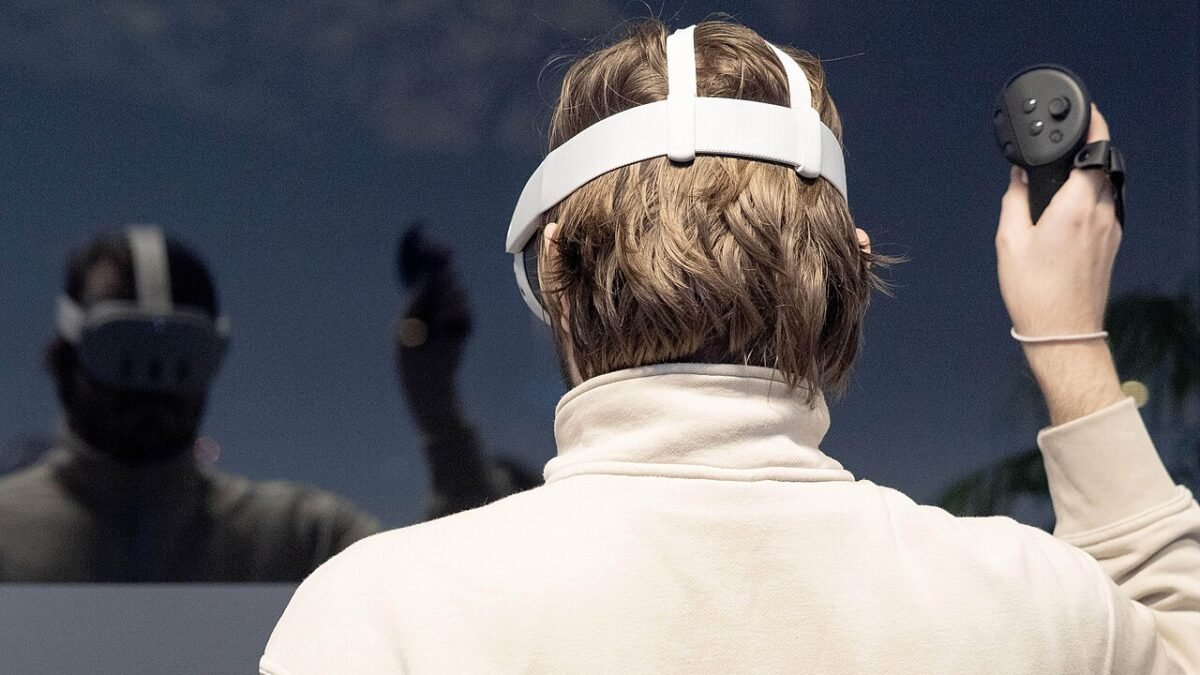
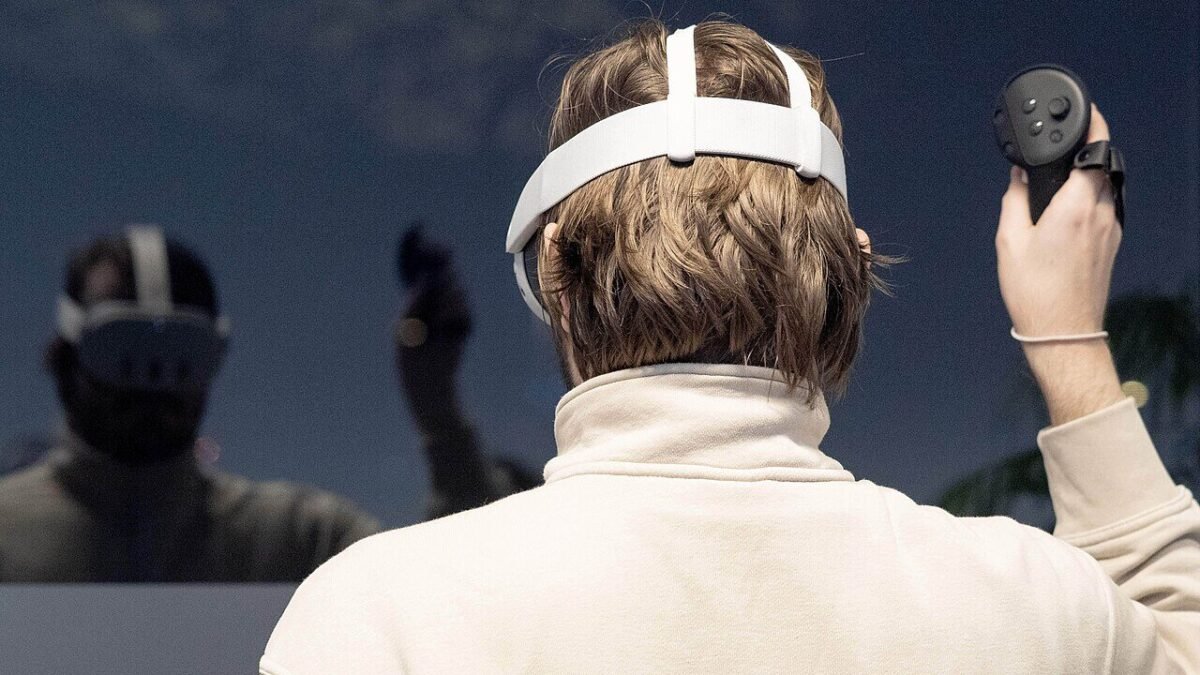
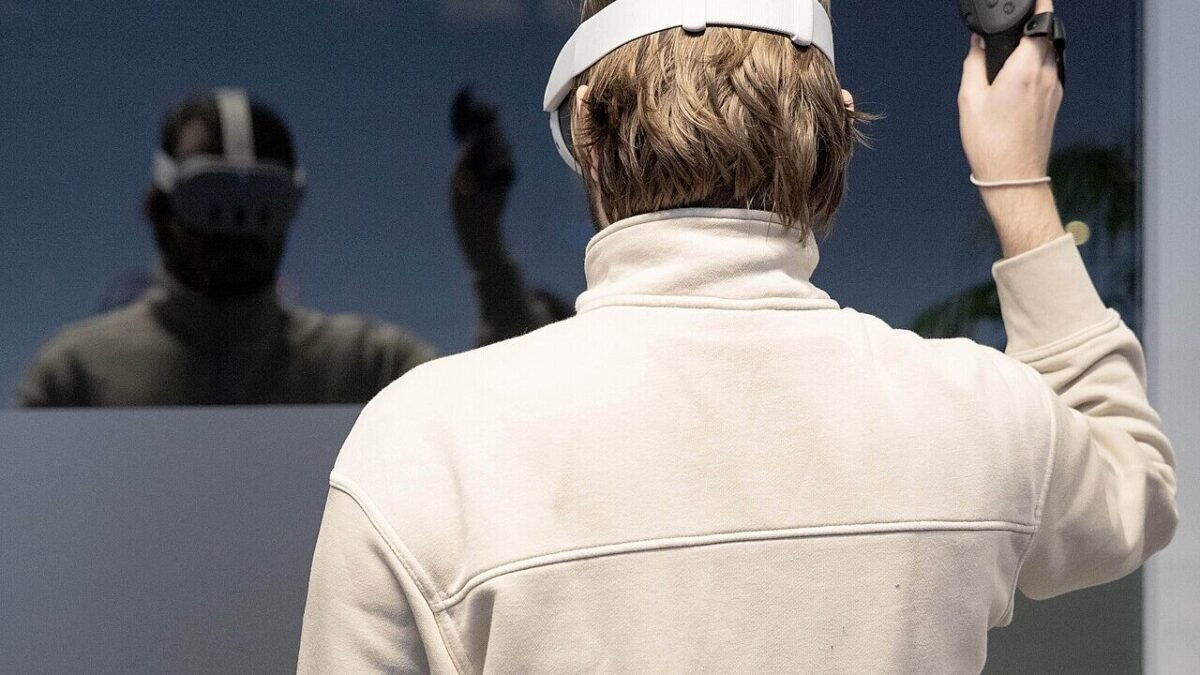
Meta AI glasses news in November 2026 is a story of strong demand and tight supply. Meta showcased its latest wearable technology at Dubai Future Week 2026, held 18 to 21 November at Emirates Towers and the Museum of the Future, with Ray-Ban Meta and Oakley Performance glasses on show. Visitors could try the “Hey Meta” voice feature, which gives voice-activated access to the AI assistant, and see how AI interprets surroundings and responds to spoken instructions.
The glasses themselves are now a family. The Ray-Ban Meta glasses, in Wayfarer and Clubmaster frames, and the Oakley Meta range offer hands-free photo and video capture, music, calls and messages, with a wide-angle 12-megapixel camera, slow motion and hyperlapse modes at up to 60 frames per second, and up to nine hours of battery life with a charging case. Prices start at $249 for the Meta AI glasses range in current promotions, with discounts of up to 25 percent on select Ray-Ban and Oakley styles in a promotion dated 20 November 2026, and the Ray-Ban Meta Gen 2 available with savings of up to $115. Prices are promotional and should be re-checked at publish time.
The display glasses are the higher end of the range. The Meta Ray-Ban Display glasses, first launched in September 2025 at $799, are the company’s first consumer-ready AI product that lets users watch videos and respond to messages through a wristband powered by neural technology. Meta said on 6 January 2026 that it is delaying the international launch due to inventory constraints and unprecedented demand in the United States, prioritizing United States customers and pausing rollout to countries including the United Kingdom, France, Italy and Canada. Waitlists extend well into 2026. At CES 2026, Meta announced new capabilities coming to the Display glasses, including a teleprompter feature for prepared remarks and EMG handwriting through the Neural Band, plus pedestrian navigation in four new United States cities, bringing the total to 32.

Privacy is the hard question for glasses. When a wearer asks Meta AI about what they are looking at, the glasses send a photo to Meta’s cloud for AI processing, according to the current United States FAQ. Meta has announced Private Processing for AI glasses workloads, using confidential virtual machines, encrypted storage and a user-provided key, but coverage of individual current features is not established. A Dutch company halted sales of Ray-Ban Meta glasses after reports that women were filmed without consent and the videos shared on Telegram, a reminder that the privacy debate is not theoretical.
Meta AI partnerships and the Zuckerberg week
Meta AI news partnerships in November 2026 include the company’s deepening relationship with Nvidia. Nvidia’s $3 billion investment in Meta’s share sale, announced in November, is the latest addition to a portfolio of stakes, loans and guarantees that has made the chip maker a central financier of the AI boom. Nvidia also holds around $36 billion in cloud backstops and a guarantee structure around AI infrastructure. The investment ties Meta’s AI buildout to Nvidia’s chips and to Nvidia’s balance sheet at the same time.
Mark Zuckerberg’s public appearances in the week of the Manus news focused on agents, not models. The message from Meta’s leadership is consistent: the next phase of AI is not a smarter chatbot but an agent that can do work inside the apps people already use. Manus was the clearest expression of that message, and the unwind is the clearest obstacle to it. Meta AI news this week, in the Zuckerberg sense, is therefore the same story as the Manus story: agents are the strategy, and the strategy now depends on a deal that Beijing wants reversed.
What Meta’s AI bet costs
Meta’s AI spending is part of the largest capital expenditure wave in technology history. The four largest hyperscalers guide to about $730 billion of capital expenditure in 2026, with Meta at about $140 billion, rising to a combined analyst consensus of about $934.5 billion in 2027. Meta’s share of that total funds data centers, chips, Reality Labs and the AI teams behind Meta AI, Vibes and the glasses.
The spending is funded by advertising, and the advertising business is itself being rebuilt with AI. Meta AI ads tools write and optimize campaigns, and the company’s ad revenue pays for the infrastructure that the AI tools run on. That loop is the business model: ads fund AI, AI improves ads. The risk is the same loop running in reverse, if ad growth slows while AI spending keeps rising.
For the infrastructure behind Meta’s spending, see our AI infrastructure and cloud news hub and our AI data center and energy news hub. For Microsoft’s competing agent and copilot work, see our Microsoft AI news page. For Amazon’s competing cloud and devices work, see our Amazon and AWS AI news page.

How to follow Meta AI news
Meta AI news moves on three clocks: deals, hardware and earnings. Deals like Manus change the strategy overnight and can then take months to resolve. Hardware like the Display glasses moves on inventory and waitlists, not announcements. Earnings arrive quarterly and show whether the advertising loop still funds the AI bill. This page follows all three, updates weekly, and dates every item so readers can tell an announcement from an outcome.
The Manus section is the item most likely to change before the next refresh. Re-check the ownership outcome, the buyback reports and Meta’s own statements before treating any of it as settled.
Frequently asked questions
What is the latest Meta AI news?
Meta’s $2 billion-plus acquisition of Manus AI, announced in late December 2025, was ordered unwound by Chinese regulators in April 2026, with the National Development and Reform Commission requiring the parties to revoke the transaction. Manus resumed independent operations on 1 September 2026.
What is Manus AI?
Manus AI is a Singapore-based startup, founded in China, that builds general-purpose AI agents. Its first agent launched in March 2025 and can execute tasks such as market research, coding and data analysis. Meta said it had millions of users and more than $100 million in annual recurring revenue.
What is Meta Vibes?
Vibes is Meta’s AI video platform and feed, where users watch and share AI-generated video inside Meta’s apps. It is Meta’s bet that AI video becomes a feed habit like photos and short video before it.
How much do Meta AI glasses cost?
Meta AI glasses start at $249 in current promotions, with discounts of up to 25 percent on select Ray-Ban and Oakley styles in a promotion dated 20 November 2026. The Meta Ray-Ban Display glasses launched at $799 in September 2025. Prices are promotional and should be re-checked.
Does Meta AI send photos to the cloud?
For the visual-question workflow, yes. When a wearer asks Meta AI about what they are looking at, the glasses send a photo to Meta’s cloud for AI processing, according to the current United States FAQ. Meta has announced Private Processing for some glasses workloads, but coverage of individual features is not established.
How much is Meta spending on AI?
Meta guides to about $140 billion of capital expenditure in 2026, as part of about $730 billion across the four largest hyperscalers. The spending is funded mainly by advertising revenue.
Sources
8
- Meta Acquires Manus AI for Over $2 Billion: https://dailyaibrief.com/news/meta-acquires-manus-ai-for-over-2-billion-z0u6AiGw
- China blocks Meta’s $2 billion takeover of AI startup Manus: https://www.europesays.com/unitedstates/86341/
- Meta’s $2bn Acquisition of Manus: https://www.mergersight.com/post/meta-s-2bn-acquisition-of-manus
- Meta showcases wearable technology at Dubai Future Week 2026: https://www.wam.ae/en/article/c3cn50h-meta-showcases-wearable-technology-dubai-future
- Meta AI Glasses See Discounts Up to 25% on Ray-Ban and Oakley Styles: https://www.express-gazette.com/technology-ai/meta-ai-glasses-see-discounts-up-to-25-on-ray-ban-and-oakley-styles-241231
- AI Infrastructure Investment Cools Down, Nvidia Hit Hardest: https://temp.htx.co.si/news/ai-infrastructure-cools-down-nvidia-takes-the-hardest-hit-se-Ea1soq3B0
- Latest AI Infrastructure News: November 19, 2026: https://slicast.com/brief/2026-11-19
- The State of AI Data Center Supply Chains, November 2026: https://medium.com/@hmenon_43970/the-state-of-ai-data-center-supply-chains-5aa74a3d399c
Every factual claim on this page was verified against a named source above. The Manus ownership outcome (Manus independent again from 1 September 2026) and the glasses promotional prices were re-checked at publish time.