AI model news covers new model releases, updates, prices, and benchmark results from the labs building large language models and other frontier systems. This page is the AI model news 2026 hub: it rounds up the latest releases, explains what each release changes, and links to the original announcements so you can check the claims yourself. Our AI research news hub covers the wider research picture, while this page stays on the models themselves.
What AI Model News Covers
A new model is the headline, but model news is wider than launch day. It includes version updates, price changes, new access rules, safety ratings, benchmark scores, and open-weight releases that let anyone download and run a model. Frontier AI news mostly comes from a small group of labs: OpenAI, Anthropic, Google DeepMind, Meta, Alibaba, and newer teams such as Thinking Machines Lab and Moonshot AI. LLM AI news is the largest part of this page, because large language models are the models most people use, and if you arrived looking for AI LLM news, the release roundup below is where the current large language models sit. If you want AI model news today, start with that roundup: it is ordered newest first and every item carries its date.
Every item on this page carries its date and its source. Benchmark figures need a warning up front: most scores are published by the lab that built the model, on tasks the lab chose. Independent scorecards such as the Artificial Analysis Intelligence Index give a second view, and this page says which is which. Prices are the list rates from the launch announcements, checked on 23 November 2026, and they can change.

The Latest AI Model Releases
November 2026 has been one of the busiest months for model launches in years. Here are the releases that matter, newest first, with the facts from each announcement.
GPT-6.2 Astra and Sol, OpenAI, 17 November. OpenAI shipped two models at once. Astra is the frontier model for demanding professional and scientific work, and Sol is the everyday model for coding and writing. Astra costs $8 per million input tokens and $40 per million output tokens, 20 percent less than GPT-6 Astra, while Sol keeps the GPT-6.1 Sol rates of $2 and $10. OpenAI says Astra is the first model it has released that meets its High threshold for AI self-improvement, and Astra scored 62 on the Artificial Analysis Intelligence Index, second only to Claude Fable 5.2.
Gemini 4 Neon, Google, 18 November. Google introduced Neon as the middle model of the Gemini 4 family, between the flagship Carbon and the fast, cheap Hydrogen. Neon costs $3 per million input tokens and $15 per million output tokens, with a one-million-token context window, and it scored 61 on the Artificial Analysis Intelligence Index at its highest thinking level, third overall. Google says Neon is built for complex coding, knowledge work, and science tasks that run many times a day. Carbon arrived on 28 October and Hydrogen on 12 November, so Google has now released four Gemini 4 models in about seven weeks.
Qwen4-Max, Alibaba, 16 November. Alibaba released its new flagship, a mixture-of-experts model with 2.4 trillion total parameters and 71 billion active per token, a one-million-token context window, and native vision. The price is $1.50 per million input tokens and $4.50 per million output tokens. The notable part of this launch is what did not ship: Qwen4-Max is closed, with no downloadable weights. Alibaba says smaller Qwen4 models will be released with open weights, but it has named none of them and given no date.
Claude Fable 5.2 and Mythos 5.2, Anthropic, 9 November. Anthropic released its top-tier models together. Fable 5.2 is available to all users, while Mythos 5.2 is the same underlying model without the cybersecurity and biology safeguards, available only to vetted organisations. Anthropic says Fable 5.2 generates output up to 30 percent faster than Fable 5.1, and the price fell to $8 per million input tokens and $40 per million output tokens. Fable 5.2 scored 65 on the Artificial Analysis Intelligence Index, the highest score on that index as of 23 November 2026.
Muse Ember, Meta, 9 November. Meta released Ember, its smallest and cheapest Muse model, at $0.10 per million input tokens and $0.50 per million output tokens. Ember is built for the repetitive work inside AI agents: tool calls, data extraction, routing, and long-document parsing. Meta describes the pairing in one line: Muse Wonder plans, Muse Ember handles the volume. Ember accepts text, images, and audio, and it runs on the Meta Model API and in Muse Code.
GPT-6 Cyber, OpenAI, 5 November. OpenAI released a security-focused variant of GPT-6 Astra, and it is the most restricted model on this page. It is available only to approved customers in the Daybreak Red programme, through the API and Codex. OpenAI rates the model Critical for cybersecurity under its Preparedness Framework, the first of its models to reach that level. In its own testing, the model found 81 previously unknown high-severity flaws in Firefox and built 948 working exploits against the Linux kernel. The price is $20 per million input tokens and $100 per million output tokens.
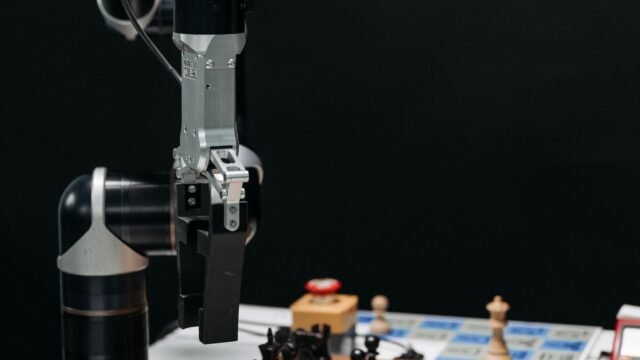
Gemini Robotics 2.5, Google DeepMind, 10 November. Not every model release is a chatbot. Google DeepMind released Gemini Robotics 2.5 to robotics partners, and in a pilot on live Mercedes-Benz production lines in Hungary and Germany, humanoid robots running the model sorted metal brackets into trays in vehicle order with a 96 percent success rate. Google says the model resists jailbreak attempts 99.5 percent of the time, up from 82 percent for its predecessor.

AI Benchmark News: Who Leads the Rankings
Benchmarks are the scoreboard of AI model news, and the Artificial Analysis Intelligence Index is the one the labs themselves quote most often. In AI benchmarks news, that index is the first place to look, and as of 23 November 2026, the top of it reads: Claude Fable 5.2 at 65, GPT-6.2 Astra at 62, Gemini 4 Neon at 61, Gemini 4 Carbon at 60, and Claude Opus 5.5 at 59. The gap between first and fifth is six points, which is small, and the order changes with every release. Fable 5.2 took the lead from Gemini 4 Carbon when it launched on 9 November, and GPT-6.2 Astra moved into second place eight days later.
A single index never tells the whole story. Neon leads the Artificial Analysis Coding Agent Index, while Opus 5.5 still leads on Terminal-Bench, a test of real terminal work. The lesson for readers is to match the benchmark to the job: a coding index matters if you write code, and a general index matters if you want one number. Also watch the newest kind of benchmark result, the personality test. Artificial Analysis ran PersonalityBench on GPT-6.2 Astra and Sol in the week of 22 November and found both models reach answers faster than Claude but score lower on transparency across 30 judged traits. Speed and openness are different qualities, and a model can win one while losing the other.
Cost per task is now part of benchmark news too. The labs publish prices per million tokens, but what a task actually costs depends on how many tokens the model uses. Neon at $3 and $15 per million tokens looks mid-priced, yet its lower token use per task makes it cheaper than Opus 5.5 on several agent benchmarks. When you compare models, compare the price of a finished task, not the price of a token.
Open Source AI News
Our open source AI news page tracks the models anyone can download, inspect, and run. The recent headlines there: Thinking Machines Lab released Inkling 2 Small on 5 November and Inkling 2 Mini on 20 November, both under the Apache 2.0 licence; Baidu released ERNIE 5.5 Flash Base with open weights on 5 November; and Ricursive released Ripple-65B Preview with open weights on 4 November. Alibaba went the other way with Qwen4-Max, keeping the flagship closed and promising open weights only for smaller models to come.
Local AI Models: Running Models on Your Own Machine
The most interesting local AI models news of the month is Inkling 2 Mini, released by Thinking Machines Lab on 20 November 2026. It is a 26.4-billion-parameter open-weights model that the lab says can run offline on a MacBook Pro with 32 GB of memory or on a single desktop GPU. The model file is about 20 GB, the weights are licensed under Apache 2.0, and it is available through Ollama and on Hugging Face. The lab demonstrated it running in airplane mode, building a playable flight simulator on a laptop with no internet connection.
Local models matter for three reasons. First, your prompts never leave your machine, which suits private documents and offline work. Second, there is no per-token bill, so heavy use costs nothing extra once the model is downloaded. Third, you can fine-tune or inspect a model you own, which is impossible with a hosted model. The trade-off is capability: Inkling 2 Mini scores 20 on the Artificial Analysis Intelligence Index, far below the frontier models at 59 to 65, and it needs 161 million output tokens to finish that index against a median of 85.7 million for comparable open models, so it works harder for each answer. For coding help and everyday tasks on a laptop, that trade is worth it for many users; for the hardest research work, the cloud models still lead.

AI Models in the Real World: Robots and Agents
Model news is moving beyond chat. Gemini Robotics 2.5, covered above, puts a frontier model inside factory robots, and Meta’s Muse Ember is designed for agents that run thousands of repetitive steps while a bigger model plans. The pattern is the same in both cases: one model plans, another executes, and the news is about the pair, not a single score.
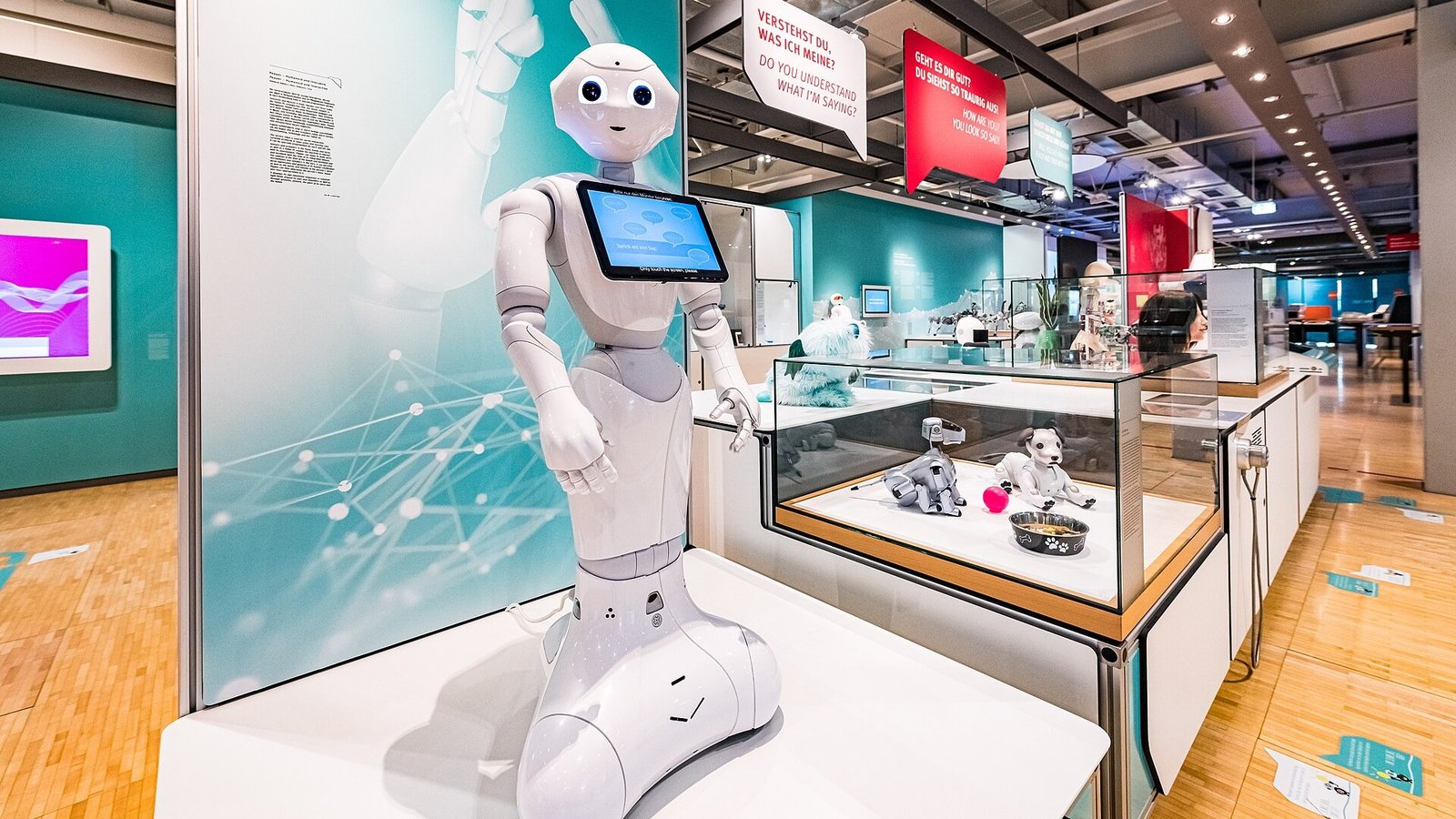
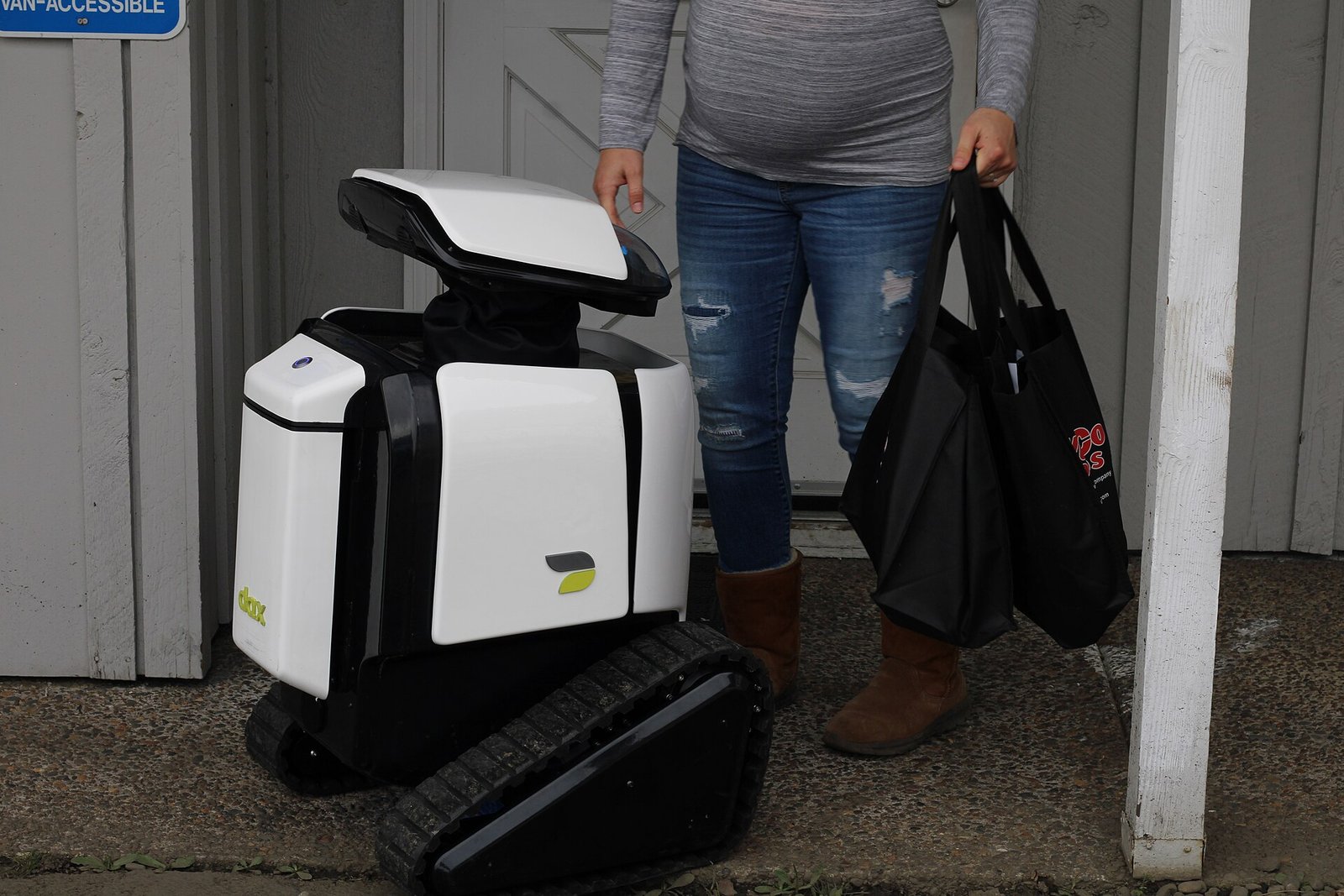
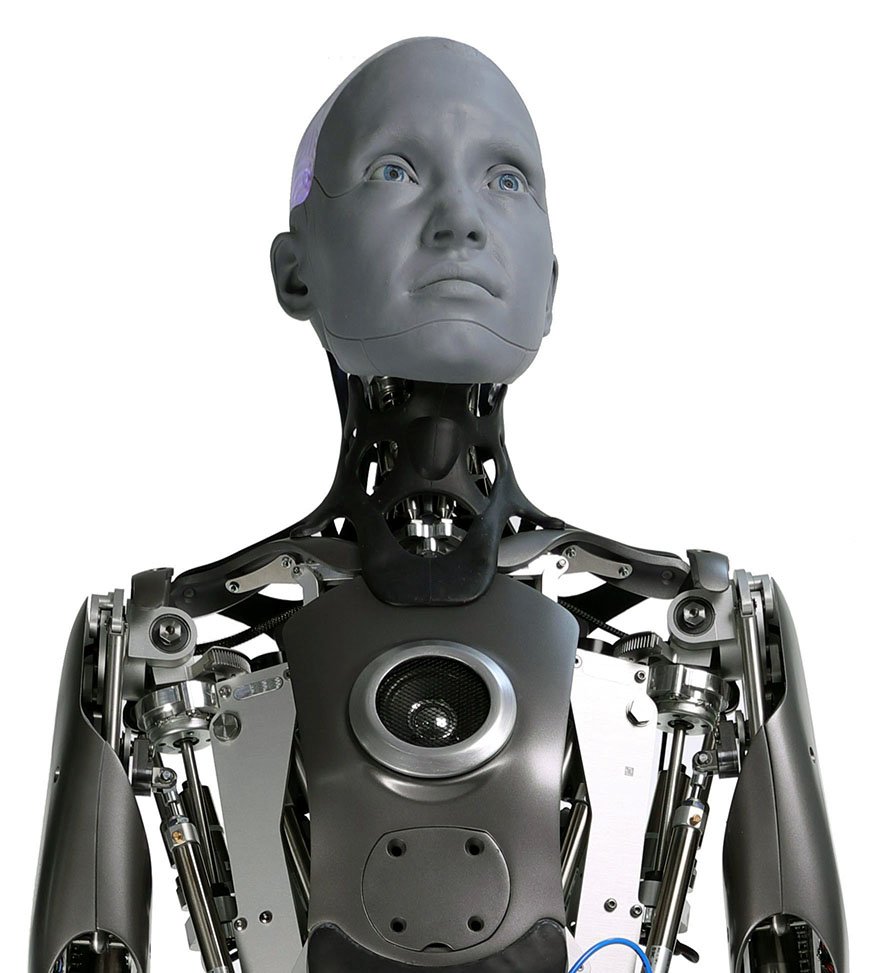
Humanoid robots are the visible end of this shift. The Ameca robot, built by Engineered Arts, is a research platform for human-like expression and interaction, and robots of this kind are now test beds for the same models that answer questions in chat apps. Delivery robots are the quieter end: small wheeled robots already carry groceries and parcels in pilot programmes, running smaller models on board. When you read model news, ask where the model runs: in a data centre, on a laptop, or inside a machine that moves.
How to Follow AI Model News Without the Hype
Four habits keep model news useful instead of overwhelming. For the latest AI LLM news between hub updates, the lab blogs in the Sources list publish first and this page follows.
Read the lab’s own announcement first. The announcement states the price, the access rules, and the limits. Press coverage adds context, but the announcement is the record. Every release on this page links back to one.
Treat benchmark scores as claims until an independent run repeats them. A lab’s chosen benchmark is a showcase, not a verdict. Independent indexes, third-party evaluations, and head-to-head tests by other labs are the check. If only one source reports a score, say so.
Check access and price, not just capability. GPT-6 Cyber is one of the most capable models released this month, and almost nobody can use it. Muse Ember is far less capable and far more useful to most developers, because it costs $0.10 per million input tokens and is open to anyone with an API key. A model you cannot use is not a tool, it is a headline.
Watch what the announcement leaves out. Qwen4-Max launched with no open weights and no date for them. Claude Fable 5.2 launched with a deliberate limit on the research tasks that could speed up AI development itself. What a lab does not release is often the most important part of the news.
What to Watch Next
Three things to watch before the end of 2026. First, Alibaba’s promised open weights for smaller Qwen4 models: a date and a licence would change the open-model picture. Second, OpenAI’s plan to widen GPT-6 Cyber access from a select group to all Daybreak Red customers, which will show how many security teams actually adopt a gated model. Third, the top of the benchmark index: Fable 5.2 leads at 65, GPT-6.2 Astra sits at 62, and Gemini 4 Neon at 61, so the next release from any of the three labs could take the lead. This page is updated as those stories land, and the latest AI model news is always the newest section at the top of the release roundup. This page draws its recent AI news from frontier labs’ blogs, independent scorecards, and reputable tech press, and each item links to the announcement behind it.
Frequently Asked Questions
What is AI model news?
AI model news is reporting on new and updated AI models: releases, version changes, prices, access rules, safety ratings, and benchmark results. It covers large language models such as GPT, Claude, and Gemini, plus specialist models for coding, robotics, images, and security.
Which AI model is the best right now?
By the Artificial Analysis Intelligence Index, Claude Fable 5.2 leads at 65 as of 23 November 2026, ahead of GPT-6.2 Astra at 62 and Gemini 4 Neon at 61. The best model still depends on the task: Neon leads the coding agent index, Opus 5.5 leads on Terminal-Bench, and the cheapest model that does your job well is usually the right choice.
What is the newest AI model?
As of 23 November 2026, the newest releases are Inkling 2 Mini from Thinking Machines Lab on 20 November, Gemini 4 Neon from Google on 18 November, and GPT-6.2 Astra and Sol from OpenAI on 17 November. New models arrive most weeks, so check the release roundup above for the latest dates.
What is the difference between a frontier model and an open-weight model?
A frontier model is one of the most capable models available, usually closed and served through an API, such as Claude Fable 5.2 or GPT-6.2 Astra. An open-weight model publishes its trained weights, so anyone can download, run, and adapt it, such as Inkling 2 Mini under the Apache 2.0 licence. Frontier models lead on capability; open-weight models lead on control and cost.
Can I run an AI model on my own laptop?
Yes. Inkling 2 Mini, released 20 November 2026, is designed for that: it needs about 20 GB of disk space and a Mac with at least 32 GB of memory, or a single desktop GPU, and it runs offline through Ollama. Smaller open models have run on laptops for years, but Mini is one of the first in its class to pair that size with strong coding scores.
What is an AI benchmark?
A benchmark is a fixed set of tasks used to score a model, such as coding problems, exam questions, or long-document tests. The Artificial Analysis Intelligence Index combines many tasks into one score, while specialist benchmarks such as Terminal-Bench or FrontierCode test one skill. Scores from the lab that built the model are claims; independent runs of the same benchmark are the check.
Why are some new models restricted?
Some models are gated because of what they can do. GPT-6 Cyber is limited to approved security customers because OpenAI rates it Critical for cybersecurity, and Claude Mythos 5.2 is limited to vetted organisations because it drops the safeguards on cybersecurity and biology work. Access rules are part of the announcement, and this page reports them with each release.
Where can I read official AI model announcements?
The labs publish on their own blogs and newsrooms: OpenAI News, the Anthropic News page, the Google blog and Google DeepMind blog, Meta AI news, the Qwen blog, and the Thinking Machines Lab blog. This page links to the announcement behind each release, and the Sources list below has the pages used for this roundup.
Watch: AI Model News, November 2026
AI News November 2026: GPT-6, Gemini 4 and What Actually Matters: a roundup of the month’s releases, checked against the original announcements, covering GPT-6 Cyber, Gemini 4 Carbon, and the GPT-6.5 rumour that turned out to be wrong. Checked live on 23 Nov 2026.
Gemini 4 Neon vs Claude Opus 5.5: Google’s $3 Mid-Tier Model Just Beat Anthropic’s Flagship?!: a 10-minute comparison of Gemini 4 Neon and Claude Opus 5.5 across the Artificial Analysis indexes, coding tests, and API pricing, with sources listed. Checked live on 23 Nov 2026.
Sources
14
- PYMNTS, “Anthropic’s Claude Tops AI Rankings as OpenAI Limits Cyber Model” (12 Nov 2026) — https://www.pymnts.com/news/artificial-intelligence/2026/anthropics-claude-tops-ai-rankings-as-openai-limits-cyber-model/
- Google, “Introducing Gemini 4 Neon” (18 Nov 2026) — https://blog.google/innovation-and-ai/models-and-research/gemini-models/introducing-gemini-4-neon/
- 9to5Mac, “Anthropic upgrades Claude with new Fable 5.2 model, details here” (9 Nov 2026) — https://9to5mac.com/2026/11/09/anthropic-upgrades-claude-with-new-fable-5-2-model-details-here/
- CASRAI, “Anthropic Releases Claude Fable 5.2 and Mythos 5.2” (12 Nov 2026) — http://casrai.org/news/anthropic-claude-fable-mythos-5-2-release
- CASRAI, “OpenAI releases GPT-6 Cyber with a Critical cybersecurity rating” (12 Nov 2026) — https://casrai.org/news/openai-gpt-6-cyber-critical-cybersecurity-rating
- 9to5Google, “OpenAI releases GPT-6.2 Astra and Sol for complex projects” (17 Nov 2026) — https://9to5google.com/2026/11/17/openai-releases-gpt-6-2-astra-and-sol-for-complex-projects-a-week-after-claude-5-2/
- ExplainX, “GPT-6.2 Astra and Sol: $8/$40 and $2/$10 (Nov 17)” — https://explainx.ai/blog/openai-gpt-6-2-astra-sol-launch-pricing-benchmarks-november-2026
- GenAI Brief, “Qwen4-Max: 2.4T parameters, $1.50 input and no open weights” (16 Nov 2026) — https://www.genaibrief.com/models/qwen4-max-pricing-open-weights/
- Morningstar, “Alibaba Unveils AI Model With Stronger Performance at Lower Cost” (15 Nov 2026) — https://www.morningstar.com/news/dow-jones/202611151552/alibaba-unveils-ai-model-with-stronger-performance-at-lower-cost
- LLM Stats, “Muse Ember: Meta’s Volume Model” (9 Nov 2026) — https://llm-stats.com/blog/research/muse-ember-launch
- VentureBeat, “Thinking Machines wows with Inkling 2 Mini looped transformer model that runs locally on laptops” (20 Nov 2026) — https://venturebeat.com/technology/thinking-machines-wows-with-inkling-2-mini-looped-transformer-model-that-runs-locally-on-laptops
- CASRAI, “Inkling 2 Mini: open looped model for laptops” (21 Nov 2026) — https://casrai.org/news/thinking-machines-inkling-2-mini-open-looped-model-laptop-2026
- AI Understanding, “AI Model News” tracker — https://aiunderstanding.org/news/topics/models
- 9to5Google, “Gemini 4 Neon launches: Carbon quality at Flash speeds, for AI Pro” (18 Nov 2026) — https://9to5google.com/2026/11/18/gemini-4-neon-announcement/
Every factual claim on this page was verified against a named source above.